Beyond the Yogurt Aisle: How Engineered Gut Bacteria Are Becoming the Next Frontier in Disease Prevention
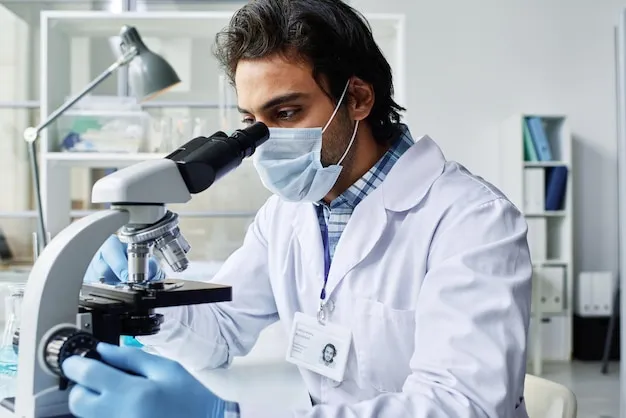
Photo: scientist examining gut microbiome bacteria culture laboratory research, via img.freepik.com
For decades, the word "probiotic" conjured images of television commercials featuring cheerful spokespeople extolling the digestive virtues of a particular cultured dairy product. The science underlying those claims was, at best, modest. Today, however, the field has undergone a remarkable evolution. Microbiome research has shifted from describing which bacteria live in the human gut to actively engineering those bacteria to perform precise therapeutic functions. What was once marketing language is becoming medical vocabulary.
A Ecosystem Hidden in Plain Sight
The human gastrointestinal tract harbors somewhere between 38 and 100 trillion microbial cells—a figure that rivals, and by some estimates exceeds, the total number of human cells in the body. This internal ecosystem, collectively referred to as the gut microbiome, influences digestion, immune function, hormonal signaling, and even neurological activity through what researchers call the gut-brain axis. Disruptions to this community—a state termed dysbiosis—have been associated with conditions ranging from inflammatory bowel disease and type 2 diabetes to depression and certain autoimmune disorders.
Until recently, clinical strategies for addressing dysbiosis were largely blunt instruments: broad-spectrum antibiotics that indiscriminately reduced bacterial populations, or off-the-shelf probiotic supplements containing commercially available strains with limited evidence of efficacy. Neither approach offered the specificity that modern medicine demands.
Designing Bacteria With a Purpose
The emergence of synthetic biology has changed the calculus considerably. Scientists at research institutions across the United States—including teams at MIT, the University of California San Diego, and several federally funded centers—are now engineering bacterial strains to carry out targeted biological tasks inside the gut environment.
One of the most compelling applications involves turning bacteria into living drug factories. Researchers have modified strains of Lactobacillus and Bacteroides—genera already present in the human gut—to produce anti-inflammatory peptides, insulin-sensitizing compounds, and even molecules that interfere with the signaling pathways used by colorectal cancer cells. Because these modified organisms reside at the site where intervention is most needed, they offer a delivery efficiency that oral pharmaceuticals cannot easily replicate.
A second area of active investigation involves bacterial competition. Certain engineered strains are designed not to produce a drug, but to crowd out or actively suppress harmful microorganisms. Clostridioides difficile, commonly known as C. diff, causes severe intestinal infections and kills tens of thousands of Americans annually—many of them hospitalized patients whose microbiomes have been depleted by antibiotic treatment. Early-stage research suggests that precisely designed microbial consortia can colonize the gut in ways that structurally prevent C. diff from gaining a foothold, offering a more sustainable alternative to fecal microbiota transplantation.
Immune Modulation From the Inside
Perhaps the most scientifically ambitious application of engineered probiotics lies in immune regulation. The gut lining is among the most immunologically active tissues in the body, housing a substantial proportion of the immune system's total cellular population. Researchers have begun exploring whether bacteria can be programmed to shift immune responses in a controlled direction—dampening overactive inflammatory cascades in patients with Crohn's disease or rheumatoid arthritis, or priming immune surveillance in ways that might reduce cancer risk.
A landmark clinical trial conducted at a major academic medical center in Boston demonstrated that a modified strain of Bacteroides ovatus could deliver a specific anti-inflammatory protein directly to inflamed intestinal tissue in patients with ulcerative colitis, achieving measurable reductions in disease activity markers. While the trial was small and results require replication, the proof-of-concept was considered significant enough to attract substantial National Institutes of Health follow-on funding.
The Regulatory Dimension
The Food and Drug Administration has watched these developments with increasing attention. In 2023, the agency approved its first fecal microbiota product—a milestone that signaled institutional willingness to engage with microbiome-based therapies as a distinct therapeutic category. Engineered living biotherapeutics, as the FDA now formally designates certain microbial products, are subject to a regulatory framework that borrows elements from both drug and biologics oversight.
This regulatory recognition carries significant implications. It means that companies developing engineered probiotics must demonstrate safety and efficacy through clinical trials, submit to manufacturing standards, and provide post-market surveillance data. For researchers, this is a validation of the field's scientific seriousness. For patients, it represents a pathway toward treatments that are evidence-based rather than anecdotal.
Notably, the FDA has also issued guidance specifically addressing the containment of genetically modified microorganisms—an acknowledgment that engineered bacteria capable of colonizing the gut raise biosafety considerations that conventional pharmaceuticals do not. Most academic and commercial programs now incorporate genetic safeguards that prevent engineered strains from surviving outside the gastrointestinal environment or transferring modified genes to wild-type bacteria.
Challenges That Remain
The field is not without its complications. The human microbiome varies enormously between individuals, meaning that a bacterial intervention effective in one patient cohort may perform quite differently in another. Factors including diet, geography, prior antibiotic exposure, and host genetics all shape the microbial environment in which engineered bacteria must operate. Developing interventions robust enough to function across this variability is a formidable challenge.
There are also questions of access and equity that the research community has begun to address with greater urgency. Advanced microbiome therapies, particularly those requiring personalized microbial profiling, are likely to be costly at commercialization. Ensuring that the benefits of this research reach underserved communities—who often bear disproportionate burdens of the conditions these therapies target—will require deliberate policy attention alongside scientific progress.
A Field Coming of Age
What distinguishes the current moment from the era of yogurt commercials is not merely technological sophistication, though that is substantial. It is the institutional seriousness with which the microbiome is now being treated. Federal agencies are funding large-scale microbiome characterization studies. Academic medical centers are launching dedicated microbiome research institutes. The pharmaceutical industry, having observed the early clinical signals, is committing meaningful capital to the space.
The human gut, long regarded primarily as a digestive organ, is increasingly understood as a dynamic biological interface—one that can be engaged, and perhaps redirected, in service of health. The bacteria that inhabit it are no longer merely passengers. In the hands of researchers who understand how to work with them, they are becoming collaborators in the project of keeping us well.