The Mending Table: How Free Darning Bars Are Stitching Neighborhoods Back Together
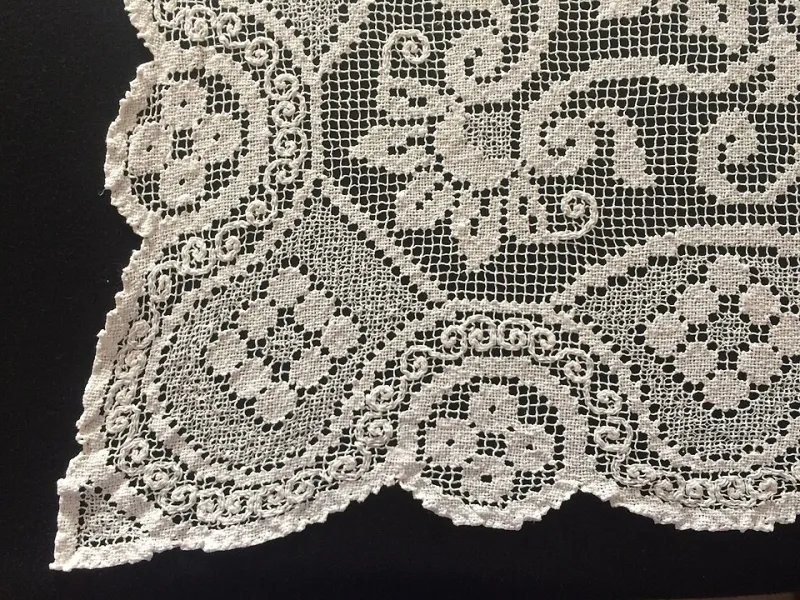
Photo: Kjersti Lie, CC BY-SA 4.0, via Wikimedia Commons
On a damp Tuesday in Portland, Oregon, the line starts before the folding tables are fully open. A college student carries a tote bag with a strap hanging by three threads. A dad has a laundry basket of jeans with blown-out knees. An older woman sets down a cardigan so soft it looks like it might dissolve if you breathe on it too hard. Nobody is charged a dime. Nobody is told to just buy a new one. The volunteers behind the table pull out needles, thread, darning eggs, and little wooden mushrooms, and the room settles into the low hum of people fixing things together.
This is a darning bar—part repair clinic, part social hour, part quiet protest. The format is simple: volunteer menders set up in a library, pub, community center, or church basement; people bring torn clothes, broken tote bags, holey socks, and sad heirloom knits; and everyone works through the pile together. Some visitors want a professional-looking fix. Some want to learn. Some just want to sit near other people for an hour and leave with something whole again.
The Rise of the Repair Table
Darning bars have been popping up in unlikely places across the US. In Minneapolis, a brewery hosts a monthly mending night where the smell of hops mixes with wool. In Asheville, North Carolina, a public library lends out sewing kits alongside books and puzzles. In Tucson, Arizona, a retired tailor sets up under a shade canopy at a farmers market. In Brooklyn, a neighborhood group rotates between a laundromat, a church hall, and a park picnic table. The locations change, but the mood is consistent: unpretentious, patient, and mildly allergic to hurry.
The appeal is partly practical. Clothing has gotten cheaper and worse, and many people under 40 never learned how to sew on a button, let alone darn a sock. A 10-minute lesson at a free table can feel less intimidating than a paid class or a YouTube rabbit hole. But the deeper draw is social. Darning bars are third places—not home, not work, not a store—where the activity gives strangers something to do with their hands while they figure out how to talk to each other.
The Retired Tailor and the First-Timer
At a recent mending night in a Portland library meeting room, a retired tailor named Marlene ran the table like a gentle triage nurse. She wore a thimble on her thumb and a magnifying visor pushed up on her forehead. A first-timer held up a sock with a hole the size of a quarter and asked if it was hopeless. Marlene turned the sock inside out, inspected the damage, and said, 'Hopeless is a word for people who haven't met a good needle.'
That kind of reassurance is the whole point. The volunteers are not all experts. Some are hobby knitters who can fix a seam but panic at a zipper. Some are beginners who learned to darn last month and came back to practice. The mix matters. It keeps the table from feeling like a judgment zone where someone with a cheap sweater gets side-eye from a person with a cashmere one. The unspoken rule is: bring what you've got, and we'll figure it out.
Stitch-and-Tell
The talk is as important as the thread. People bring stories along with their repairs. A man in his 60s brings a wool coat that belonged to his father and admits he has been meaning to fix the lining for 11 years. A woman brings a baby blanket she knitted for a child who is now in high school. A teenager brings a ripped band T-shirt and gets a lesson in visible mending—bright embroidery floss over the tear, turning the repair into a design choice. The menders call it 'stitch-and-tell,' and once you notice it, you see it everywhere: the object is the excuse, and the conversation is the real repair.
There is also a practical etiquette to these gatherings. Bring items that are clean. Be patient. Don't expect a tailor-quality fix in 20 minutes. If you want to learn, say so. If you don't want to talk, that's fine too—some people just want to watch a hole disappear. And if you can, bring a spare spool of thread or a pack of needles. The tables run on donations, volunteer time, and the occasional grant from a library friends group.
A Small Antidote to Fast Fashion
The darning bar is not going to solve the global textile waste problem. It won't replace the need for better-made clothes, fair labor, or systemic change. But it does something smaller and more immediate: it makes repair visible. It turns a private chore into a public habit. It says, out loud, that a mended sweater is not a sign of failure. It's a sign of care.
And in a country where loneliness is often described as a public health problem, there is something quietly radical about a room full of strangers sitting around a table, threading needles and asking each other how their week has been. The fix is the excuse. The sweater goes home stronger. So, maybe, does the neighborhood.