The Tinsel Stacks: Where Christmas Comes With a Due Date
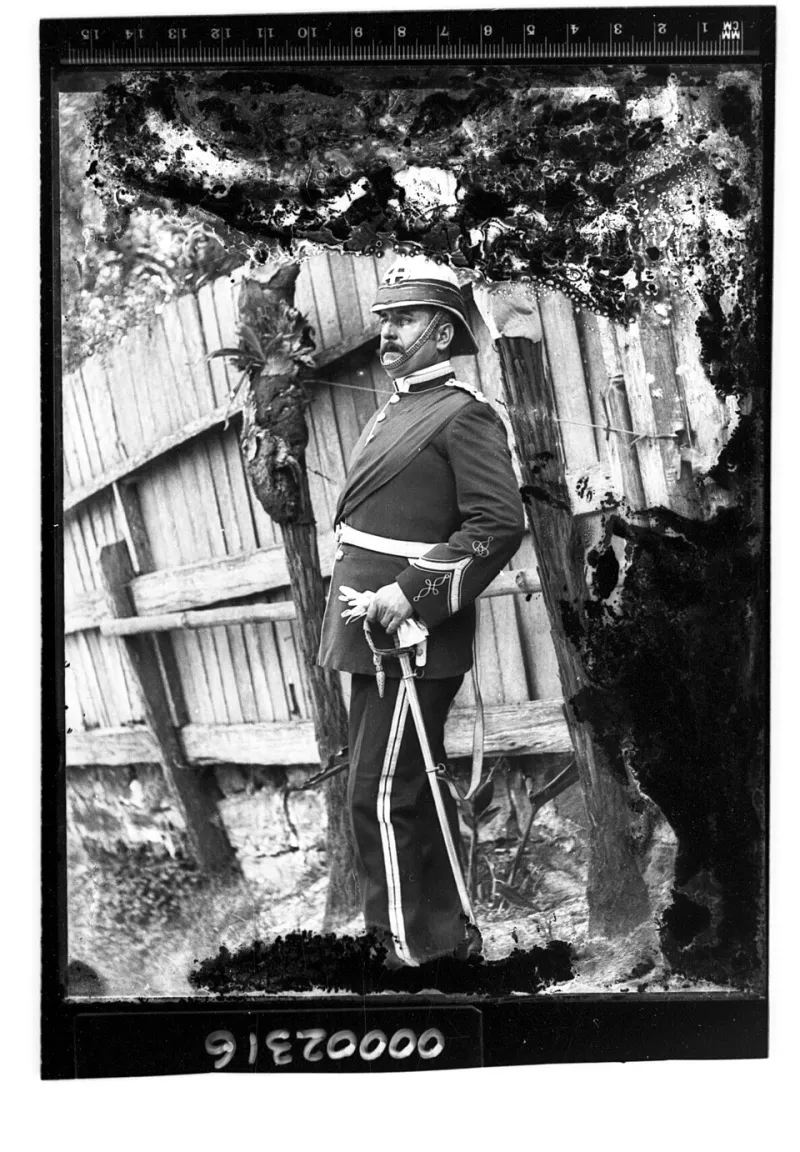
Photo: Australian National Maritime Museum on The Commons, No restrictions, via Wikimedia Commons
The first thing you notice is the smell. Not pine, exactly, but the dusty-sweet ghost of pine that clings to artificial branches after a decade in a cardboard box. Then comes the sound: the soft clack of plastic ornament hooks being sorted into muffin tins by a volunteer who takes this job very seriously.
Welcome to the holiday decor lending closet, a small but stubbornly growing corner of community life where Christmas is not purchased, stored, and forgotten in an attic. It is checked out, carried home, and returned in January with a note taped to the box.
A Library Card for the Mantel
The concept is simple enough to fit on a index card: neighbors donate holiday decorations they no longer use, volunteers organize them, and families borrow what they need for the season. Artificial trees are the big draws. So are wreaths, tabletop Santas, strings of lights that actually work, and ornaments of every description, from chipped glass balls to hand-painted angels with slightly unsettling eyes.
Some operations are run out of church basements. Others live in spare rooms behind food pantries, in the back of a library, or in a garage that one retired couple has quietly turned into a North Pole annex. They do not all call themselves libraries. Some say closets, exchanges, or loaner rooms. But the basic transaction is the same: take a number, sign a sheet, and promise to bring it back.
In 2026, with storage units costing real money and holiday decor getting more expensive, the appeal is obvious. But the volunteers will tell you the savings are only part of it.
The Catalog Is the Culture
Every lending closet has its own system, and every system has a keeper. One volunteer in Ohio uses color-coded tags: red for trees, green for lights, blue for anything fragile. Another keeps a three-ring binder with photos of each item, because, as she puts it, a box labeled "angel stuff" is not a useful description to anyone.
The cataloging gets wonderfully fussy. A mismatched set of six reindeer may be logged as a herd. A single ceramic snowman with a missing carrot nose gets a note that reads, cheerfully, "character." Fake trees are measured, not eyeballed. Light strands are tested, retested, and sometimes sentenced to the repair pile. The volunteers are not decorating professionals, but they have strong opinions about tinsel density and the correct way to coil an extension cord.
This is where the holiday lending closet starts to feel less like a charity service and more like a tiny museum with a checkout desk. The objects are not precious. That is precisely what makes them interesting. They are the stuff of ordinary Christmases, cataloged by people who have decided that ordinary is worth keeping.
The Rules Are Part of the Charm
Borrowing rules vary, but they tend to be specific in a way that suggests hard-earned experience. One closet allows a family to take one tree and two boxes of ornaments. Another has a strict no-glitter policy on certain shelves, not because glitter is evil, but because glitter never truly leaves. Some ask for a refundable deposit. Most ask for nothing but a return date.
There is usually a limit on how many years in a row you can borrow the same item, or at least a gentle nudge to let someone else have a turn with the good wreath. And there is always a story about the year someone returned a tree in July, or the year a box of ornaments came back with an extra set of keys tucked inside.
The volunteers take this lightly and seriously at once. They will laugh about the label that says "fancy bowl? maybe?" and then spend twenty minutes matching a lid to a serving dish. They know that the borrower is not just taking home a decoration. They are taking home a small, temporary version of the season.
Why Borrowing Feels Personal
There is an odd intimacy to decorating with someone else's things. A borrowed ornament carries a little mystery. Who painted the faded snowflake on the back? Why does this angel have a tiny repair stitch along one wing? You will never know, and that is fine. The object arrives with a history you did not have to inherit.
For families in transition, that can be a relief. For others, it is a small adventure. Children especially seem to enjoy the randomness. A tree that is not quite the right shape, a set of lights that blink in a pattern no one would choose, a nutcracker with a chipped jaw: these are not flaws. They are evidence that Christmas is a collection of borrowed moments anyway.
And then there is the return. In January, the closet fills up again with boxes, bags, and the occasional apology note. Volunteers inspect, repair, and shelve. The season gets packed away, but not too far away. Someone else will need it next year.
The Closet With a Waiting List
The holiday decor lending closet is not a movement with a headquarters or a slogan. It is a bunch of shelves, a spreadsheet, and a few people who really care about whether the lights work. But it is growing, one borrowed tree at a time.
If you want to find one, start where community things tend to start: the library bulletin board, the church newsletter, the neighborhood group chat. Ask if anyone knows about a holiday exchange. You may get a strange look. Then you may get a phone number.
And if you borrow a box marked "angel stuff" this December, treat it well. Somewhere, a volunteer is already thinking about next year's catalog.