Uninvited Guests: The Science of Microplastics in the Human Body and What Researchers Are Doing About It
For decades, plastic pollution was understood primarily as an environmental problem—images of ocean gyres choked with bottles and bags, seabirds feeding debris to their chicks. That framing, while accurate, turned out to be incomplete. Over the past several years, a growing body of scientific evidence has revealed something more intimate: microplastics are not only surrounding us. They are inside us.
Researchers have now confirmed the presence of microplastic particles in human blood, lung tissue, colon and rectal tissue, placental cells, breast milk, and, most recently, brain tissue. The implications of these findings remain incompletely understood, but the trajectory of the science is clear enough to have prompted serious attention from institutions including the National Institutes of Health and the Environmental Protection Agency.
What Microplastics Actually Are
Microplastics are defined as plastic fragments smaller than five millimeters in diameter. They arise from two primary pathways. The first involves the direct manufacture of tiny plastic particles for use in products such as cosmetics, industrial abrasives, and certain textiles—these are termed primary microplastics. The second pathway, responsible for the vast majority of environmental microplastic load, involves the physical and chemical breakdown of larger plastic items under exposure to ultraviolet radiation, mechanical friction, and weathering—these are secondary microplastics.
A further subdivision distinguishes nanoplastics, particles smaller than one micrometer, which are of particular biological concern because their diminutive size allows them to cross cellular membranes and, potentially, the blood-brain barrier. Detection of nanoplastics requires extraordinarily sensitive instrumentation, and their characterization in human tissue remains an active area of methodological development.
How They Enter the Body
Human exposure to microplastics occurs through multiple simultaneous routes, a fact that makes individual risk assessment genuinely difficult. Inhalation of airborne particles—shed from synthetic textiles, degraded outdoor materials, and indoor dust—represents one significant pathway. Dietary ingestion is another: microplastics have been documented in bottled water, tap water, seafood, table salt, honey, and beer, among many other common food and beverage sources. Dermal contact, while considered a lesser route of systemic uptake, may still contribute to localized exposure.
A 2022 study published in Environment International detected microplastic particles in the blood of 77 percent of the 22 healthy adult volunteers tested, with polyethylene terephthalate—the plastic used in most beverage bottles—among the most commonly identified polymer types. A subsequent 2024 investigation examining brain tissue samples found microplastic concentrations significantly higher than those recorded in liver or kidney samples from the same donors, a finding that has intensified scientific scrutiny of neurological implications.
The Detection Challenge
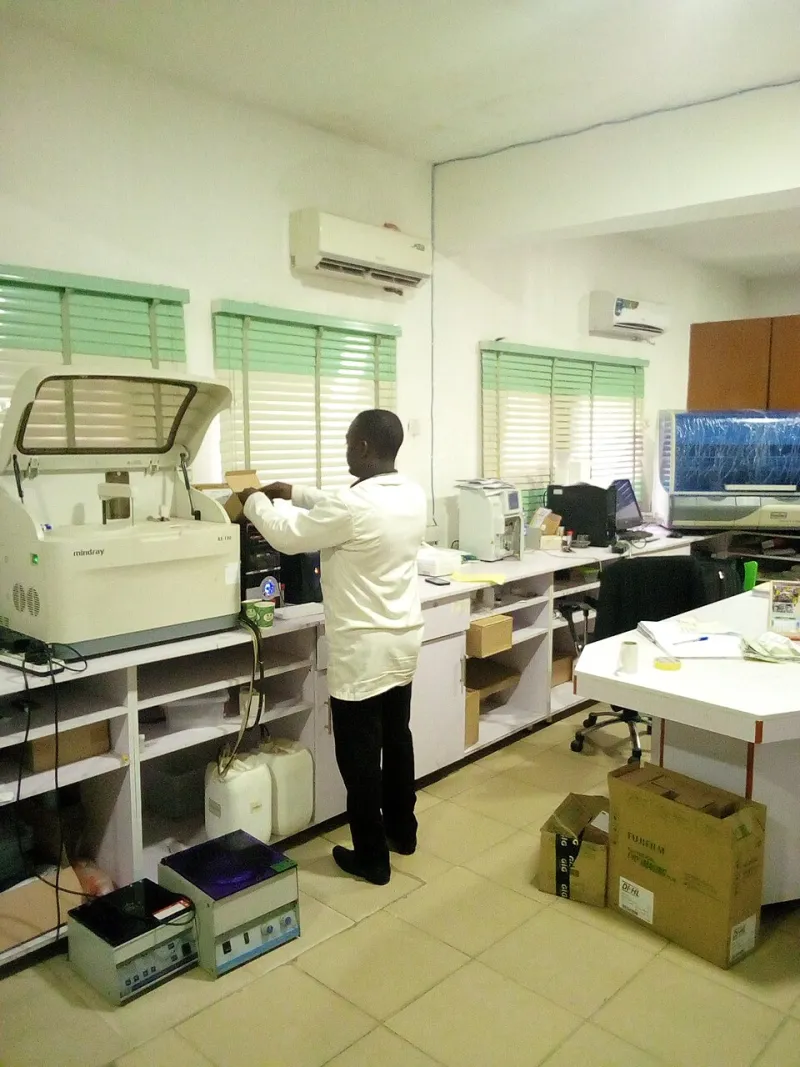
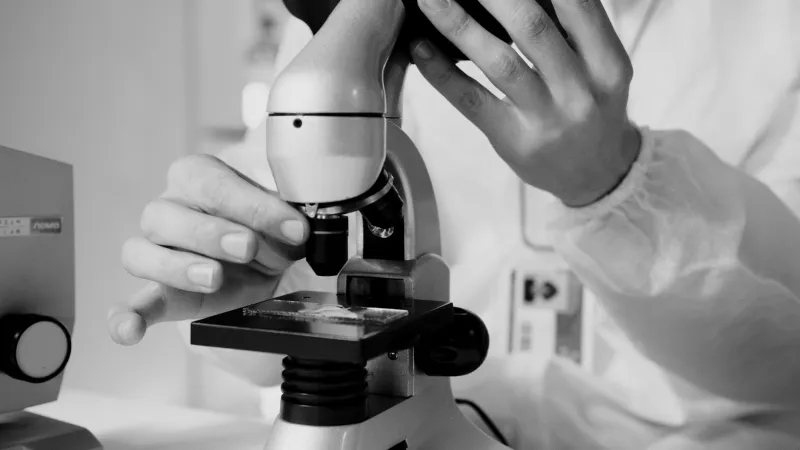
One of the most formidable obstacles in microplastic research is methodological consistency. Unlike established chemical contaminants with decades of standardized assay protocols, microplastic detection is still working toward harmonization across laboratories. Techniques in current use include Fourier-transform infrared spectroscopy, Raman spectroscopy, and pyrolysis-gas chromatography mass spectrometry, each with distinct strengths and limitations regarding particle size range, throughput, and tissue compatibility.
Contamination control during sample preparation is a persistent challenge, given that plastic particles are ubiquitous in laboratory environments. Rigorous procedural blanks and cleanroom protocols have become standard practice in leading research groups, but variability across studies still complicates direct comparisons. Federal agencies and academic consortia are actively working to establish standardized reference methods, a development that will substantially accelerate the field once achieved.
Biological Mechanisms Under Investigation
The central scientific question—do microplastics cause harm in the human body, and if so, how—remains partially open, though not for lack of effort. Several plausible mechanisms are under investigation.
Microplastic particles can act as vectors for chemical toxicants. Plasticizers such as phthalates and bisphenol A, as well as persistent organic pollutants that adsorb onto plastic surfaces from the surrounding environment, may be released into tissues following particle deposition. Many of these compounds have established endocrine-disrupting properties at relevant exposure levels.
Particles themselves may trigger inflammatory responses. In vitro and animal model studies have demonstrated that microplastic exposure can activate macrophages and promote oxidative stress, pathways associated with chronic inflammatory disease. A landmark 2024 clinical study published in the New England Journal of Medicine reported that patients with microplastic deposits in carotid artery plaque had a significantly elevated risk of heart attack, stroke, and death over a 34-month follow-up period compared to those without such deposits—a finding that moved the conversation from theoretical concern to clinical relevance.
Neurological effects represent a particularly active frontier. Given the brain's sensitivity to inflammatory and oxidative insults, and the preliminary evidence of microplastic accumulation in brain tissue, researchers are examining potential associations with neurodegenerative conditions. These investigations are at an early stage, and causal conclusions are not yet warranted, but the scientific rationale for continued inquiry is well established.
What Americans Can Realistically Do
Public health guidance in this area must navigate genuine scientific uncertainty. Recommending sweeping behavioral changes on the basis of incomplete evidence is not scientifically responsible; neither is dismissing exposure reduction as irrelevant while research matures. A measured, evidence-informed approach identifies several practical steps that carry low risk and plausible benefit.
Reducing reliance on single-use plastic food and beverage containers—particularly for hot foods and beverages, which accelerate chemical leaching—is supported by basic chemistry. Choosing tap water filtered through certified solid-block carbon or reverse-osmosis systems over bottled water can meaningfully reduce ingested microplastic load based on available comparative data. Ventilating indoor spaces and vacuuming regularly with HEPA-filter-equipped equipment reduces inhalation exposure from household dust. Selecting natural-fiber clothing and furnishings where feasible lowers the shedding of synthetic textile particles into living environments.
None of these measures constitutes a complete solution. Microplastics are now so broadly distributed in air, water, and food systems that zero exposure is not achievable through individual action alone. Systemic responses—regulatory standards for plastic production and disposal, investment in alternative materials, and infrastructure for plastic waste management—are ultimately required to alter the trajectory of human exposure at a population level.
The Road Ahead
The science of microplastics in the human body is moving rapidly, driven by improving analytical techniques and growing institutional investment. What was speculative five years ago is now documented. What remains speculative today—the precise dose-response relationships, the long-term disease burden attributable to microplastic exposure, the relative contribution of particles versus associated chemicals—will, with continued rigorous investigation, become progressively clearer.
For researchers, clinicians, and policymakers, the challenge is to act thoughtfully in the space between confirmed knowledge and remaining uncertainty. The particles are present. Their biological interactions are real. The work of understanding their full significance is well underway, and the findings will have consequences for public health policy, industrial regulation, and individual decision-making for years to come.